Purpose: To create a stress-free and relaxed learning environment where both parent and teen feel ready, supported, and in control behind the wheel.
This toolkit will help you:
- Start a conversation before, during, or after driving lessons
- Avoid conflict and keep calm during tense driving situations
- Create and manage clear expectations for fun driving lessons
- Communication
The purpose of this communication plan is to help teens and parents have calm, respectful conversations before, during, and/or after driving lessons.
Communication Tips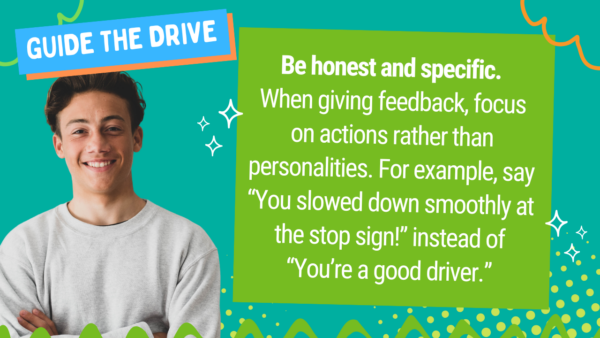
Conversation Starters for Parents:
- “I noticed you seemed nervous while driving today. Can you tell me what worried you?”
- “How did you feel about the drive? Was there anything you’d like more practice on?”
- “Is there a way I can support you better during lessons?”
- “Can we figure out a way to make feedback more helpful for you?”
Conversation Starters for Teens:
- “I feel anxious when _______. Can we talk about it?”
- “It helps me when you ________ while I’m driving.”
- “I appreciate when you give me space to focus. Can we keep doing that?”
- “When you raise your voice, I feel stressed. Can we try staying calm together?”
Listening Reminders (for Both):
- Let’s listen all the way before responding.
- No interrupting. It is important to try to hear their feelings, not just the words.
- Repeat back what you heard: ‘Sounds like you’re saying…’
After-the-Lesson Reflection Questions:
- What went well today?
- What could we make easier next time?
- Is there anything you want to share or ask?
- Is there anything you would like more practice with?
- What scenario do you want to work on next?
Conflict-Diffusing Strategies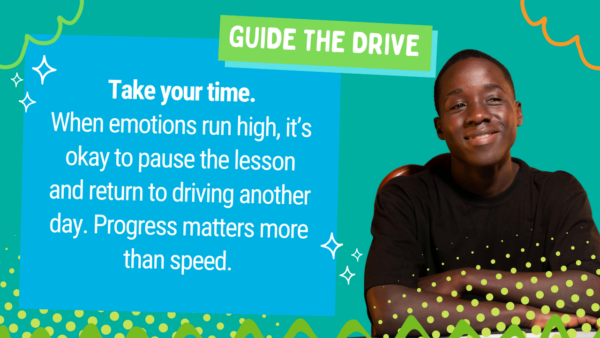
The Pause Button
- If things get tense, agree to “hit pause.” Come up with a safe word that you can use to indicate when you are ready for a break.
- If driving, pull over in a safe area, take three deep breaths, or step out of the vehicle for a minute.
- Then agree to continue driving practice another day.
- Return and try again, focusing on solutions, not blame.
Problem/Solution Approach
- Agree to use respectful and calm tones.
- Name the issue together: “We keep getting frustrated when…”
- Brainstorm fixes: “What could make this better for both of us?”
- Try one small change at a time.
Switch Roles Empathy Exercise
- After conflict, ask each other: “How do you think I felt?”
- Each person describes the other’s feelings, which helps build empathy.
Managing Expectations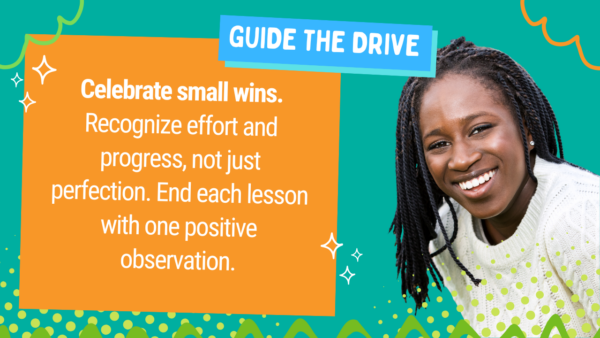
When teens and parents know what to expect, the process becomes smoother, safer, and less stressful for all.
Set Goals
- Review the Guide to Drive Real World Driving Practice tool and use the scenarios and readiness checklists to assess your teen’s skills (Neighborhood, Errand Runs, Evening/Night Driving, Weather, Day Trip/Highway).
- Agree on a plan of action to complete and master the various driving scenarios.
- Aim to complete each skill successfully and without reminders on at least 8 out of the 10 consecutive drives for true mastery.
Plan for Mistakes
- Acknowledge that everyone makes mistakes and that we learn from them.
- Agree that it’s okay to try and not get it perfect the first time. The goal is safe driving.
Parent and Teen Practice Agreement
Post this agreement somewhere visible (like the glovebox or fridge) as a helpful reminder to be patient and supportive. Don’t forget to sign and date it!
- We will start with a quick check-in.
- Anyone can ask to break, if needed.
- Feedback will be calm and helpful.
- Mistakes are normal; safety comes first.
- End with one positive comment.
Further Resources & References
- American Psychological Association. Stress in America: Tips to Help Teens Manage Stress
- American Academy of Child & Adolescent Psychiatry. Communicating With Your Teen
- Children’s Hospital of Philadelphia — Center for Injury Research and Prevention. Tips for Reducing Parent-Teen Driver Conflict
- National Highway Traffic Safety Administration (NHTSA). Teen Driving
- HealthyChildren.org (American Academy of Pediatrics). Helping Teens Deal with Stress
- CDC. Parent-Teen Driving Agreement
- Mayo Clinic. Teen Drivers: A family approach to safety
Leave a Reply